

May 20, 2026

Casey Bjorkdahl is one of the pioneering thought leaders in the SEO community. In 2010, Casey co-founded Vazoola after working for a Digital Marketing Agency for five years in New York City. Vazoola is now one of the fastest growing and most widely recognized SEO marketing firms in the country.


A few years ago, strong rankings and a healthy backlink profile often felt like enough.
But AI search has changed that rhythm fast. Modern answer engines don’t just rank pages anymore. They summarize information, compare sources, and decide which brands deserve visibility inside generated answers.
That shift pushed digital public relations into a much bigger role, and the definition is broader than many marketers assume.
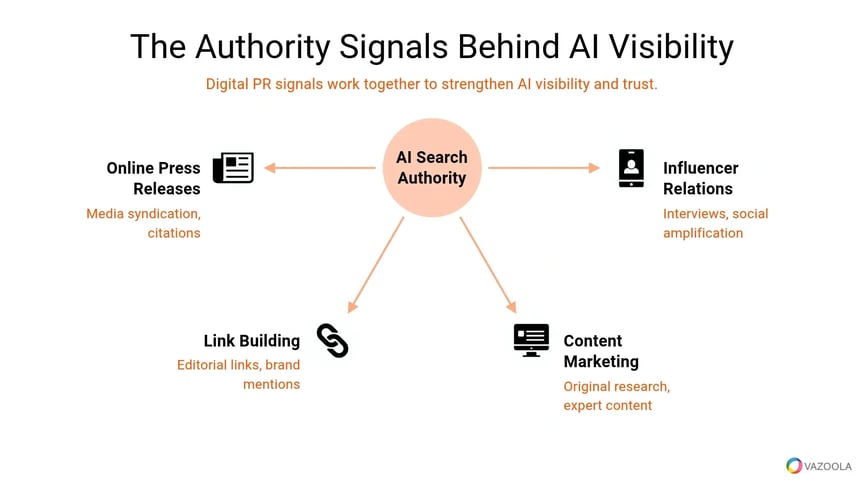
Digital PR is not limited to media outreach or link acquisition alone. Strong campaigns often combine relationship-driven link building, strategic content marketing, influencer relations, and online press releases into one connected authority-building system.
The real value comes from how those pieces reinforce one another: A data-driven article can attract press coverage. That press coverage can generate brand mentions and links.
Meanwhile, influencer conversations often expand reach and create new citations. Over time, those signals compound across the web and help shape how AI systems interpret credibility, expertise, and trust.
Research continues to emphasize the trend. Recent reporting from TechRadar noted that AI-driven search traffic is growing quickly as user behavior changes. As answer engines become more influential, digital PR will increasingly shape which brands earn visibility, citations, and trust.
Key Takeaways
-
AI search relies heavily on authority, consistency, and third-party validation.
-
Digital PR creates durable off-page trust signals across the web.
-
Link cultivation works better than transactional link building.
-
Brand mentions matter even when links are absent.
-
AEO and SEO overlap, but AI visibility requires broader authority signals.
-
Sentiment and reputation management now influence AI visibility.
-
Agencies increasingly use white-label digital PR to scale authority-building efforts.
Table of Contents
Why Digital PR Matters More in an AI Search World
Traditional search engines may rank pages, but AI systems synthesize information. That difference changes how off-page signals function.
Search engines historically lean heavily on ranking algorithms, backlinks, and on-page optimization. AI systems evaluate broader patterns of legitimacy. Repetition across trusted sources matters. Consistent brand narratives and independent mentions matter just as much.
Many classic SEO principles still apply here. High-quality content remains important, and technical optimization still helps search visibility. Editorial links continue to influence authority.
What changed is the relative importance of off-page trust signals.
Digital PR already helps brands earn authority in traditional search. AI search simply amplifies the value of those signals.
Coverage across respected publications now influences both search rankings and AI-generated answers at the same time. Indeed, digital PR increasingly shapes visibility across evolving AI-driven search experiences.
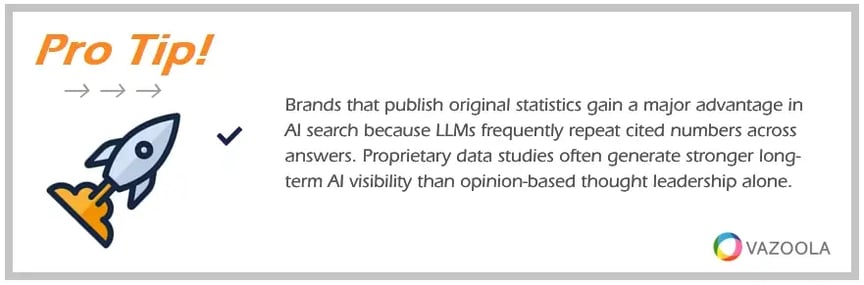
Brands that publish original statistics gain a major advantage in AI search because LLMs frequently repeat cited numbers across answers. Proprietary data studies often generate stronger long-term AI visibility than opinion-based thought leadership alone.
Why AI Trusts Authority Over Optimization
AI systems evaluate information differently than search engines.
Search engines rank pages partly through measurable signals like backlinks, keywords, page speed, and structured data.
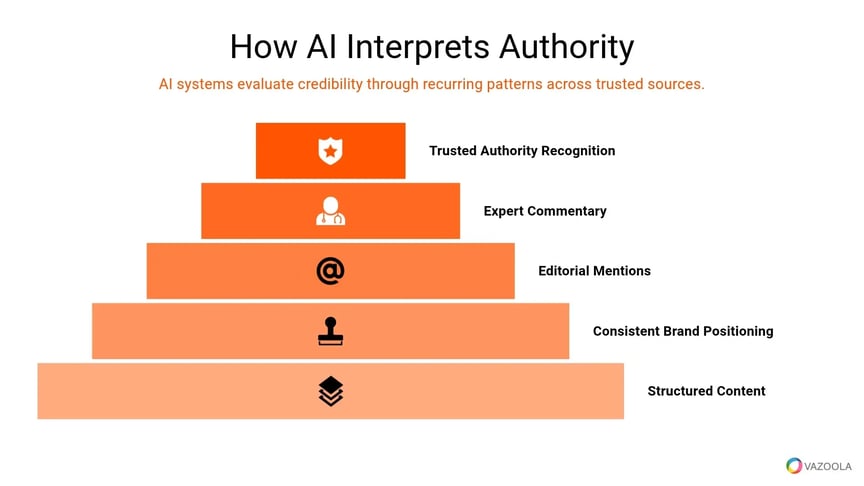
Large language models, on the other hand, look for patterns of credibility across many sources. They prioritize brands repeatedly associated with expertise, legitimacy, and trust.
Authority inside AI search often looks like:
-
Consistent mentions across reputable publications
-
Expert commentary tied to real people
-
Repeated association with specific topics
-
Positive sentiment patterns
-
Structured information supported by external validation
-
Optimization still matters in AI search results. Strong on-page SEO helps AI systems understand content. Structured formatting improves extraction, while clear writing supports answer generation.
Still, AI optimization alone rarely earns citations. A brand cannot simply “SEO” its way into AI trust.
Authority has to exist beyond the website itself. That reality explains why discussions around AI visibility as a service increasingly focus on authority-building rather than ranking manipulation.
AEO and SEO — Optimizing for Both
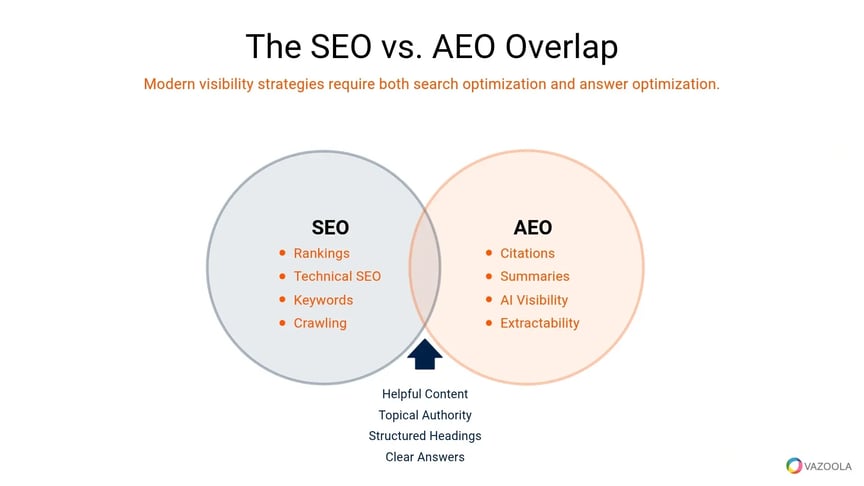
AEO and SEO share many fundamentals, but they pursue different outcomes.
SEO focuses on improving visibility within search engine rankings. AEO focuses on increasing the likelihood that AI systems extract, summarize, and cite content in generated answers.
AEO vs. SEO overlap exists between the two approaches:
-
Clear site architecture
-
Structured headings
-
Strong topical authority
-
Helpful content
-
Reliable sourcing
-
Schema markup
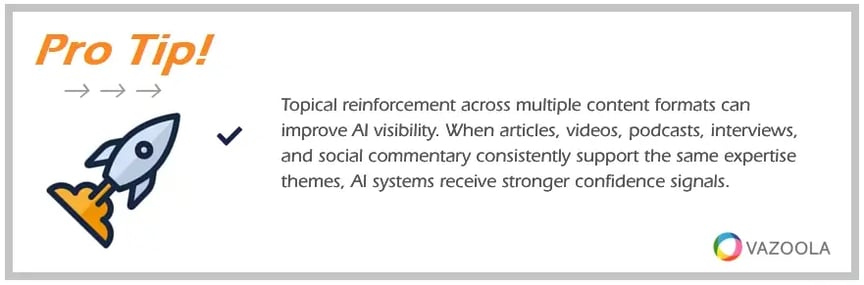
Topical reinforcement across multiple content formats can improve AI visibility. When articles, videos, podcasts, interviews, and social commentary consistently support the same expertise themes, AI systems receive stronger confidence signals.
Despite their similarities, differences emerge in how success gets measured. Traditional SEO emphasizes clicks and rankings. AEO increasingly emphasizes citations, mentions, inclusion, and authority recognition.
The good news is that digital PR supports both disciplines simultaneously.
A strong media placement can earn referral traffic, strengthen backlink profiles, reinforce topical authority, and improve AI citation potential at the same time. Very few tactics influence both search systems as efficiently.
Link Cultivation as a Digital PR Strategy
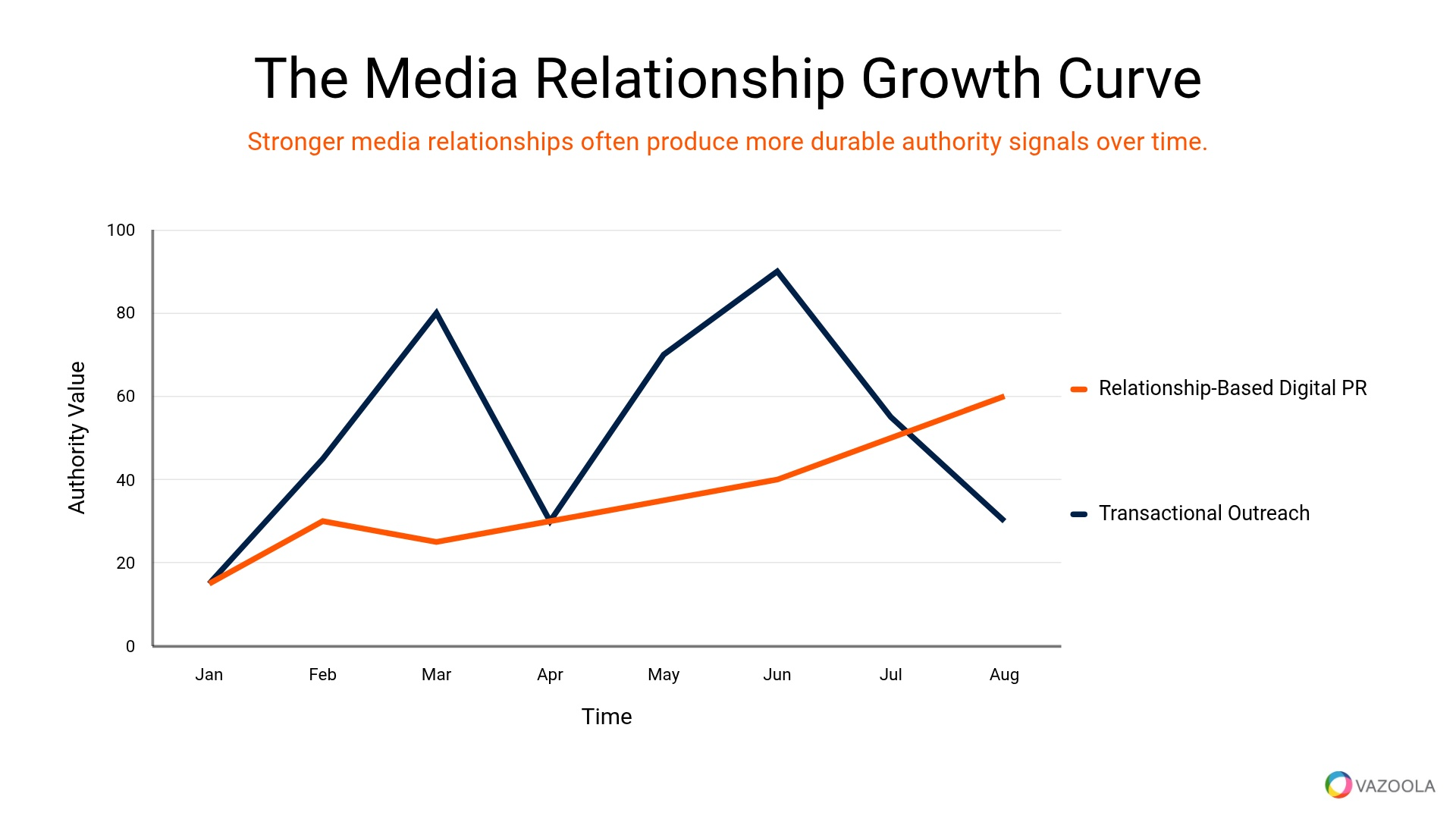
Link building often gets framed as a transaction, but that mindset limits long-term results.
Link cultivation works differently. The process focuses on building ongoing relationships with journalists, publishers, creators, editors, researchers, and industry voices. Strong digital PR campaigns create familiarity and trust over time instead of chasing isolated placements.
The distinction matters more in AI search because repeated credibility signals outperform one-off wins.
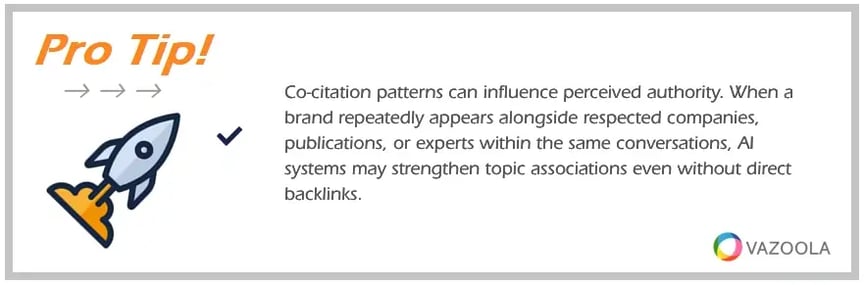
Co-citation patterns can influence perceived authority. When a brand repeatedly appears alongside respected companies, publications, or experts within the same conversations, AI systems may strengthen topic associations even without direct backlinks.
Digital PR examples naturally support durable authority because they encourage:
-
Ongoing media relationships
-
Repeated topical mentions
-
Editorially earned links
-
Consistent expertise positioning
-
Multi-platform visibility
Unlinked brand mentions also matter more than many marketers think. AI systems don’t rely solely on hyperlinks. Mentions themselves contribute to recognition and authority patterns. In fact, strategic brand mentions help reinforce topical relevance even when no direct backlink exists.
Search Engine Journal highlights the growing shift away from transactional outreach toward legitimacy-driven digital PR campaigns built around authority and expertise.
Tools for Digital PR Monitoring
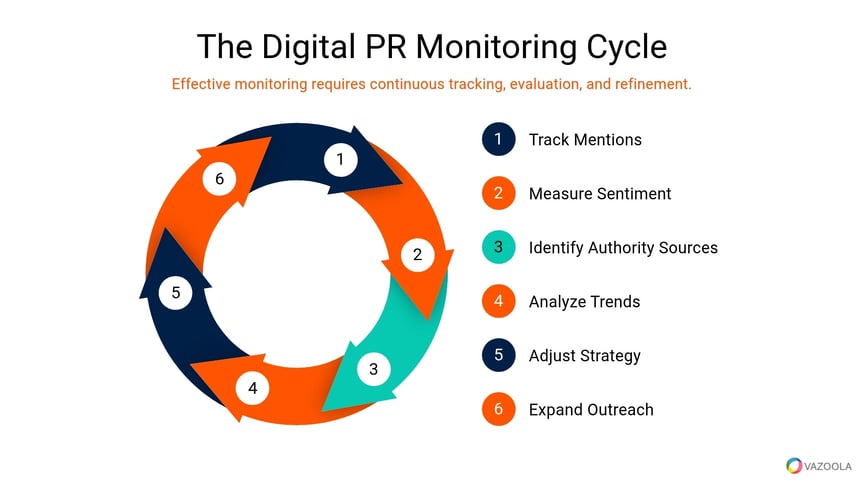
Digital PR becomes difficult to manage without visibility into brand perception and mention patterns.
AI systems don’t separate positive sentiment from negative sentiment as neatly as search engines historically did. Poor press coverage, conflicting narratives, or recurring criticism can still become part of the information ecosystem AI systems consume.
Monitoring matters because of that reality.
Regional publications can create outsized authority signals in niche industries. Smaller trade outlets sometimes get referenced repeatedly inside larger information ecosystems, especially in B2B verticals with concentrated expertise.
Several tools help agencies and brands track digital PR performance:
-
Google Alerts: Useful for basic mention tracking across the web
-
Brand24: Monitors brand mentions, sentiment, and discussions across media and social channels
-
Ahrefs: Tracks backlinks, linked mentions, and publication authority
-
BuzzSumo: Identifies trending coverage, journalist activity, and content amplification
-
Mention: Monitors online conversations and reputation signals across multiple platforms
Sentiment tracking deserves particular attention in this case. AI systems increasingly evaluate the broader reputation surrounding a brand, not just its website authority.
What a Digital PR Program Looks Like for Agency Clients
Many agencies understand the importance of digital PR but still struggle with execution capacity.
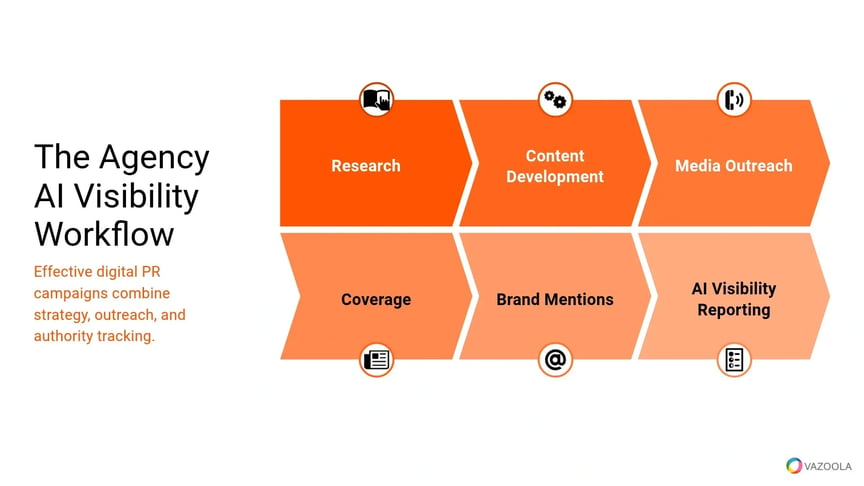
Campaign development, media outreach, content production, journalist relationship management, and authority tracking all require significant time and infrastructure. White-label digital PR services solve that operational gap for many agencies.
The strongest AI visibility campaigns usually combine several elements:
-
Original data or research
-
Expert commentary
-
Trend-driven narratives
-
High-authority publication targeting
-
Consistent topical reinforcement
Target selection matters just as much as content quality.
Publications frequently referenced across industries tend to influence AI visibility more heavily than low-authority placements. Trade publications, regional news outlets, podcasts, and niche expert platforms all contribute to authority patterns.
Agencies should track assisted authority growth, not just direct conversions. Media mentions often influence branded searches, referral trust, and AI citations indirectly before they contribute to measurable leads or revenue.
Measurement has also evolved.
Traditional metrics like traffic and rankings still matter, but they no longer tell the full story. Modern digital PR campaigns increasingly track:
-
AI citation frequency
-
Brand mention growth
-
Sentiment trends
-
Share of voice
-
Authority overlap across platforms
White-label programs allow agencies to offer these services while maintaining client-facing ownership of the relationship.
Building Visibility Beyond Rankings
AI search visibility has transformed from simple rankings into broader authority recognition.
Brands now compete on credibility, consistency, and trust across the wider web. Done well, digital PR strengthens all three. Strong campaigns create durable authority signals that influence both traditional search engines and modern AI systems.
Search continues its evolution from ranking pages to evaluating legitimacy. The brands building authority ecosystems today may become the sources AI systems reference tomorrow.
Future-proof digital PR strategies focus on narrative ownership, not just rankings. Brands consistently associated with specific topics across the web are more likely to remain visible as AI search interfaces continue evolving.